Tracks to the Wild: Chasing Migrations with a Rail Pass

Today we set out on Rail-Pass Adventures to Seasonal Migration Hotspots—boarding fast, flexible trains to reach flamingo-filled wetlands, windswept cliffs, snowy marshes, and tidal flats, stitching sightings into a soulful journey that favors slower travel, local communities, and unforgettable wildlife moments.

Timing the Journey: Calendars, Routes, and Skyways
Migration is a moving deadline, and rail flexibility lets you pivot when winds, water levels, or cold snaps shift everything by a week. Sync pass validity with peak windows, plan dawn arrivals, and favor lines delivering you near hides and harbors. Build buffer days, watch regional bird alerts, and remember that shoulder seasons bring thinner crowds, glowing light, and often the best sightings for travelers willing to ride early, linger late, and embrace serendipity.

Picking the Perfect Pass for Agile Wildlife Chasing

Your choice of pass decides how nimble you’ll be when migration shifts. Compare global and country-specific options for reservation rules, seat availability, and overnight possibilities. Weigh continuous versus flex-day validity against real windows for sightings. Factor scenic supplements on popular routes, night train cabins for dawn arrivals, and included local transport. The right combination keeps budgets calm, legs rested, and binoculars pointed where the action actually happens.

Flex Days, Continuous Days, and Your Watchlist

If your target sightings cluster around short weather windows, a flex-day pass lets you move only when conditions pop. Continuous passes shine for long loops across multiple hotspots. Map likely migration peaks, then count travel legs honestly. Add days for surprises, detours, and recovery. Consider splitting a long journey with a regional pass for concentrated bursts near one coast, marsh, or cliff system while keeping costs predictable and choices open.

Reservations, Scenic Seats, and Cost Traps

Some high-speed and panorama trains require reservations or supplements, which can nibble your budget if booked late. Secure window seats on routes skirting estuaries and cliffs, and remember that local regionals often offer more spontaneity. Check deadlines for popular lines, keep alternatives ready, and avoid last-minute markups by booking critical stretches early. Combine reserved segments with flexible locals to balance certainty, savings, and those impromptu stops where flocks suddenly gather.

Add-Ons and Last-Mile Links

Getting from station to hide is where trips succeed. Swiss passes often cover boats and many buses; some British passes include remote branches reaching coastal reserves. Nationwide passes in Japan connect limited expresses with frequent locals. Research bus partners serving nature parks, ferry links to islands, and bike hire near stations. Small costs for shuttles beat rental car headaches, reduce emissions, and keep you nimble when tides or winds nudge plans.
Routes That Deliver You to the Birds, Beasts, and Tides

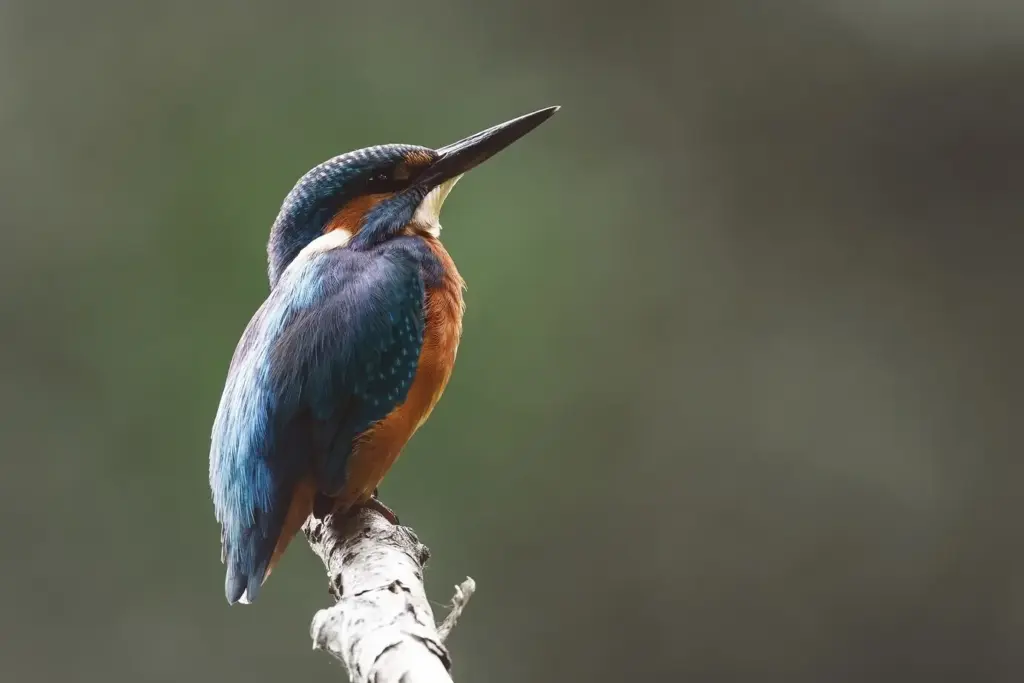
Certain rail lines seem drawn by a cartographer who loved migrations. They arc along marsh edges, pierce northern forests, and skim sea walls where winds carry wings past your window. Choose routes with early arrivals, minimal transfers, and predictable connections to hides. Let overnight sleepers place you steps from dawn platforms, and favor day lines tracing estuaries where feeding flocks gather. The rails can be your blind, your compass, and your steady base.

Fieldcraft and Kindness: Watching Without Disturbing

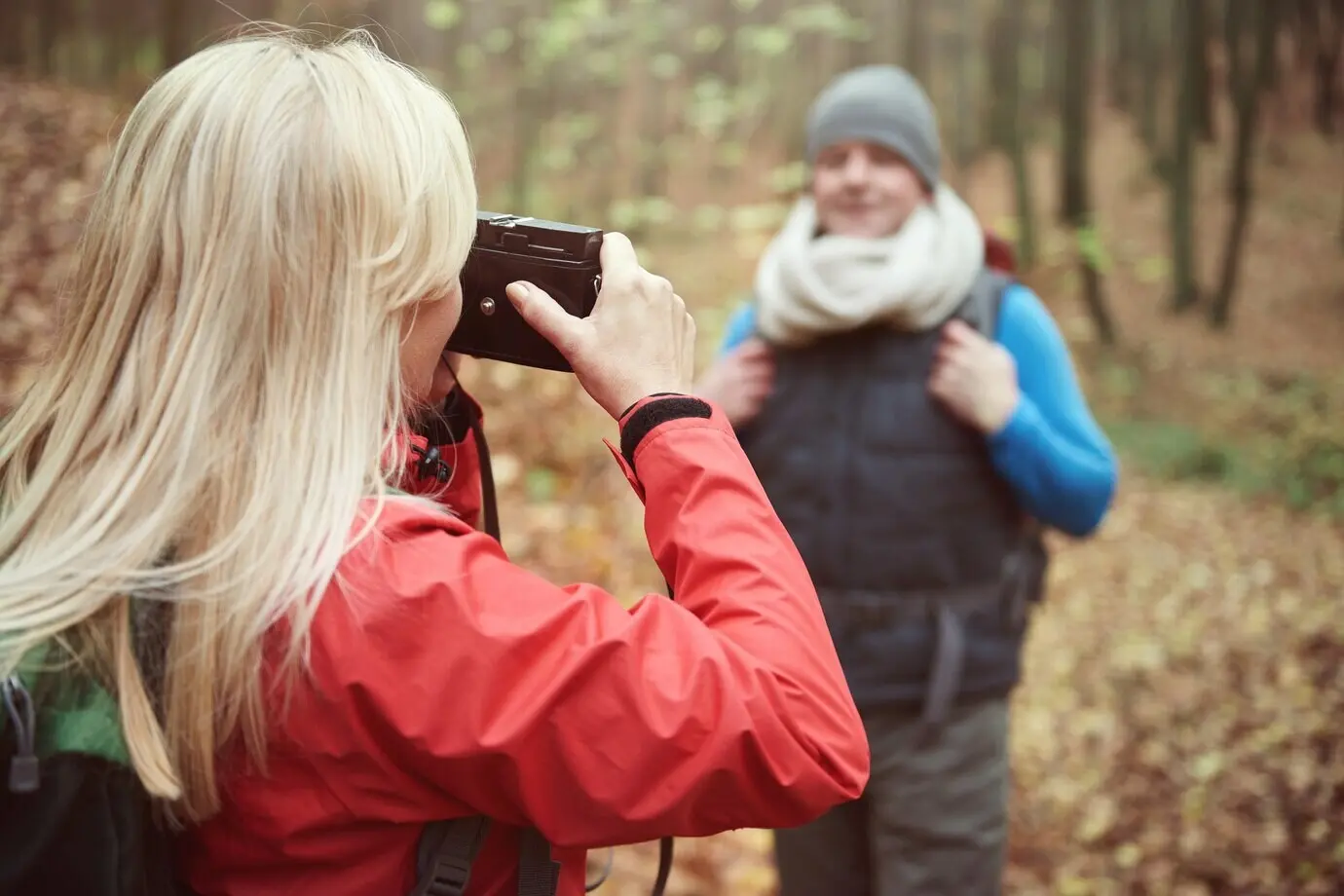
The most memorable encounters feel effortless because you are prepared, respectful, and invisible. Stay on marked paths, use hides thoughtfully, and prioritize the animal’s comfort over your photograph. Let long lenses and steady technique replace stepping closer. Whisper, watch for stress signals, and yield space at bottlenecks. Support local conservation centers, follow seasonal access rules, and share useful updates with other travelers. Your best souvenir is a healthy, undisturbed landscape.

True Stories from the Carriage Aisle

Memories grow in the tiny spaces between timetables—platform dawns, shared thermos tea, and the hush that falls when thousands of wings shadow a sunlit marsh. Trains add texture: conductors who tip you to earlier locals, stations offering shelter from rain, and gentle rhythms that make you patient. These stories remind us that the rails carry more than people. They carry anticipation, responsibility, and the steady possibility of wonder.

Gear That Works on Trains and in the Field
Optics Without Overweight

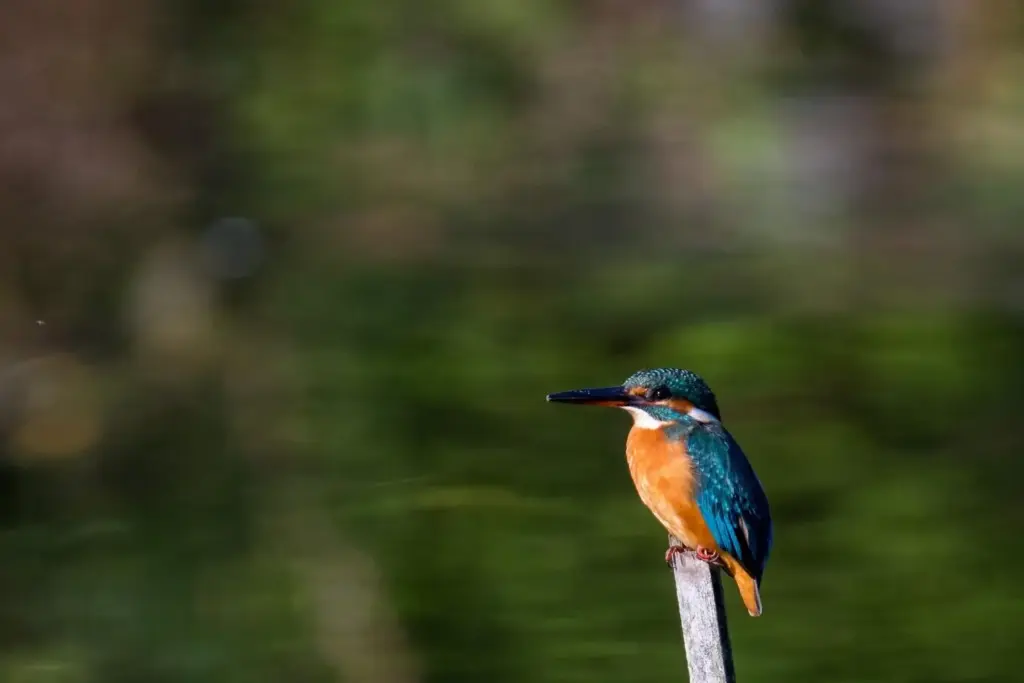
An 8×32 binocular balances reach, brightness, and compactness, fitting overhead racks without fuss. Pair it with a collapsible monopod that doubles as a walking aid, or a small beanbag for hide rails. A compact spotting scope expands distant flocks without obscuring aisle space. Keep a padded case ready for sudden rain, and practice quick focus so you never lose the bird while digging through an overstuffed backpack at the crucial moment.

Clothing for Stations and Storms

Layer smart: breathable base, insulating mid-layer, and a waterproof shell that fits over everything, including a small pack. Quick-dry trousers and merino socks turn sudden showers into inconveniences rather than trip-enders. Pack thin gloves that work with camera buttons, and a beanie that stuffs into a pocket. Slip-on boot covers keep train floors clean while protecting gear. Dress to wait patiently, move quietly, and pivot when clouds crack open unexpectedly.

Food, Water, and Warmth on the Move

Carry a compact thermos for pre-dawn warmth, plus high-calorie snacks that survive bouncing in a daypack. A collapsible cup pairs with refill points at many stations, reducing waste and cost. Sandwiches wrapped in reusable cloth keep carriages crumb-free. Aim for steady energy, not heavy bulk. Add a sit pad for cold benches, and a tiny towel for lenses and glasses when sea spray or sleet sneaks in sideways at the hide.

Join the Journey: Community Checklists and Alerts
Your experiences help others catch fleeting moments. Share recent sightings, routes that worked, and timetable tips that saved a sunrise. We’ll distill patterns into practical alerts: shifting windows, reservation release dates, and pass deals suited to this style of travel. Subscribe for occasional notes, not noise. Comment with accessibility information, family-friendly paths, and quieter alternatives when crowds build. Together, we keep this moving adventure thoughtful, flexible, and welcoming.

Your Calendar, Our Map

Post your recent dates, train numbers, and local links that carried you from platform to hide without stress. Add tide times, wind direction, and any wildlife-friendly cafes you loved. We’ll thread these into a living map of reliable connections and trustworthy vantage points. Your notes help strangers become confident travelers, and turn scattered reports into a clearer picture for the next person chasing wings along the rails.

Subscribe for Windows that Move

Sign up to receive migration-window nudges, time-sensitive reservation reminders, and seasonal sample itineraries you can adapt with your pass. Expect concise updates, checklists for packing and weather, and region spotlights before peaks arrive. We prioritize accuracy, timeliness, and respect for sensitive sites. Opt out anytime. If a storm accelerates departures or an unexpected cold snap holds birds longer, you’ll know in time to adjust without frantic, expensive changes.
Kokupufuloriretita
Privacy Overview

This website uses cookies so that we can provide you with the best user experience possible. Cookie information is stored in your browser and performs functions such as recognising you when you return to our website and helping our team to understand which sections of the website you find most interesting and useful.