See More Species Between Stops
Map the Dawn Window
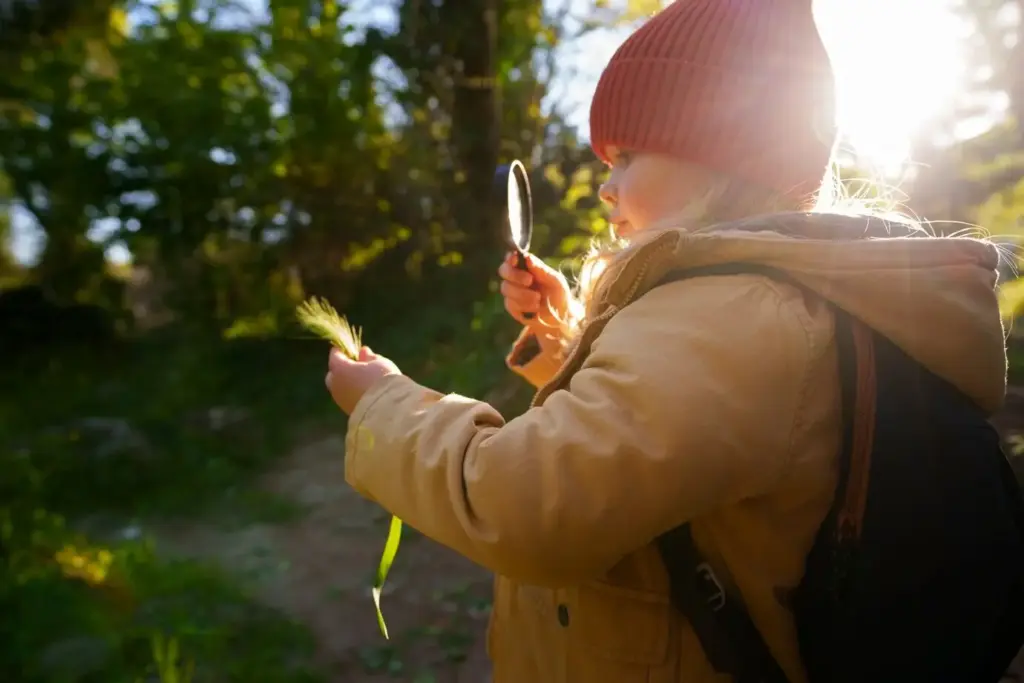
Birds are most active when stations are quiet and platforms glow with first trains. Use sunrise calculators, real-time transit apps, and a flexible mindset to catch those key minutes when thrushes feed low, warblers flit through hedges, and urban raptors stretch wings above empty intersections.
Choose Transfer-Friendly Hotspots
Favor interchanges where a missed bus becomes an opportunity, not a setback. Look for corridors with multiple lines, short walks to riparian edges, and backup micro-habitats like community gardens, cemeteries, and pocket woodlots where migrant pulses can surprise you between scheduled connections.
Build Weather-Resilient Plans
Shifts in wind and rain can make or break a morning. Draft two or three fallback stops near shelters, cafés, or libraries. When storms deliver fallouts, pivot fast; when heat builds, target shaded creeks and breezy piers reached by frequent, short-hop services.
Urban Gateways to Wild Encounters
Lightweight Gear for Swift Hops
Packable Optics and Sound
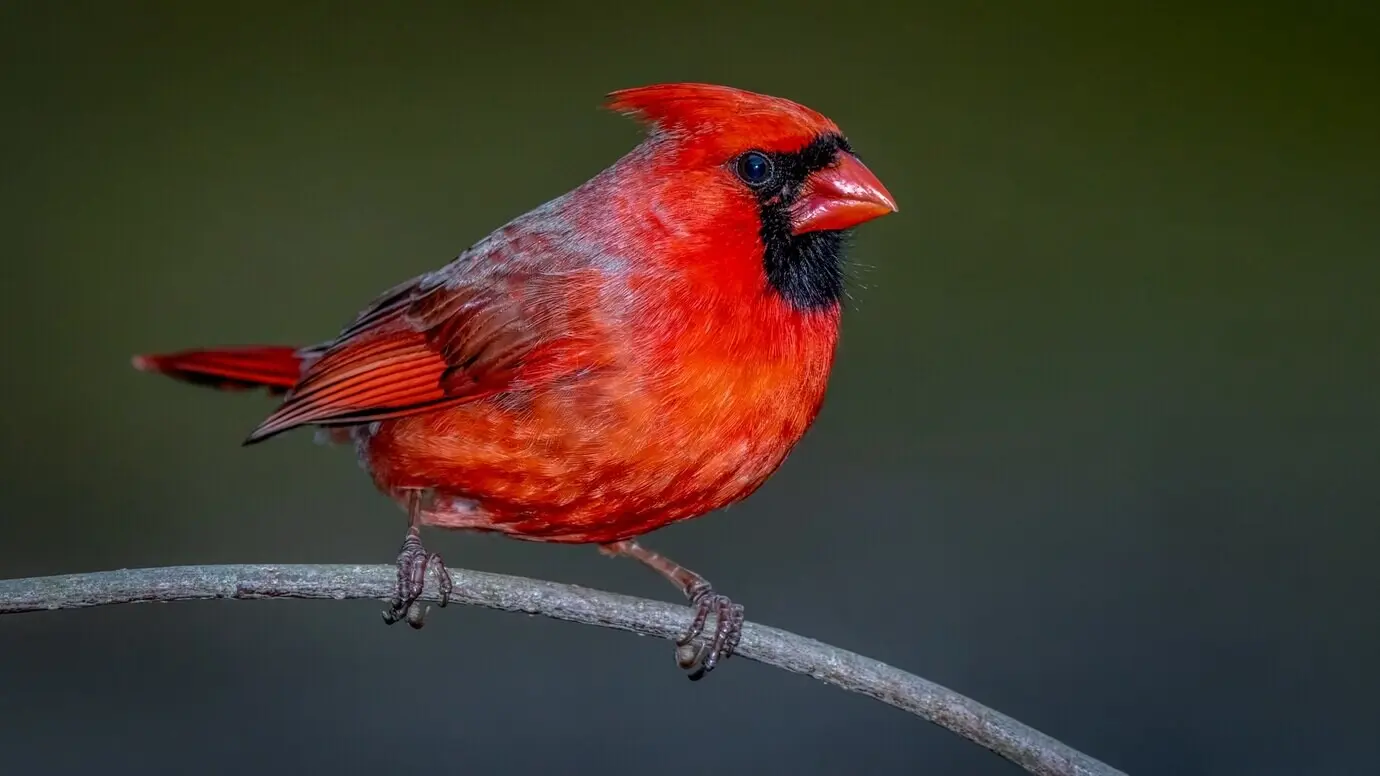
Choose compact binoculars with good low-light performance, a slim field guide or offline app, and a tiny recorder with a windscreen for tricky calls. Secure straps, lens caps, and a microfiber cloth ensure quick readiness without fumbling when a long-awaited silhouette crosses your path.
Clothing That Moves Silently
Muted colors, soft fabrics, and breathable layers protect stealth and comfort. Favor quiet zippers, wool or technical blends, and shoes with good grip for wet platforms and muddy trails. A brimmed cap and lightweight gloves keep you steady during drizzle or bright, wind-swept overlooks.
Timing the Pulse of Migration
Spring Surges Before Work
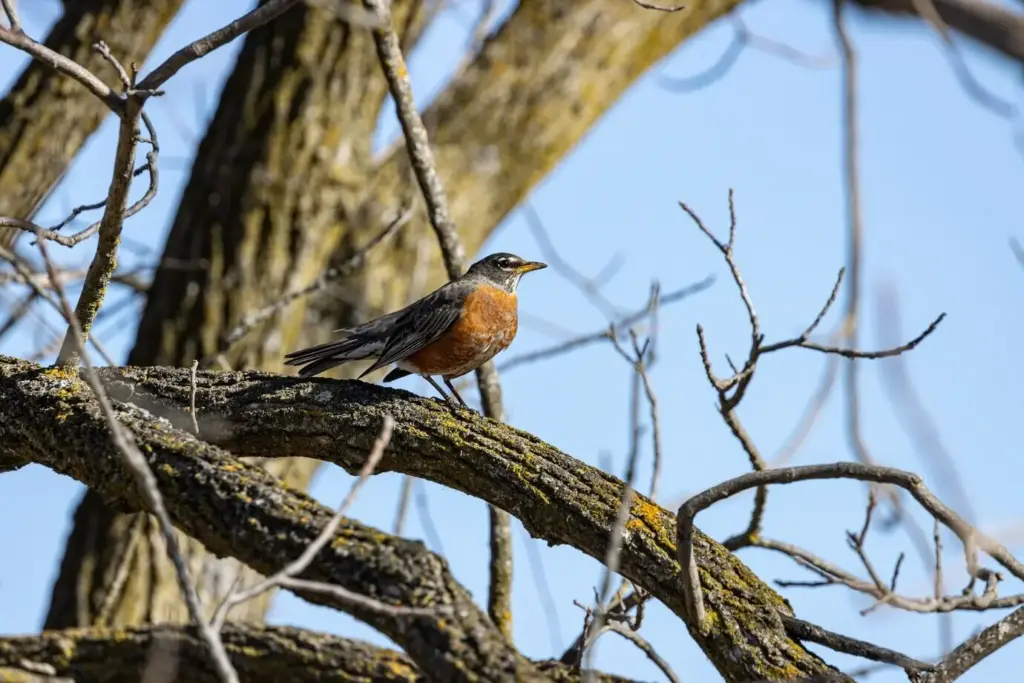
Pre-plan early rides aligned with first song. Quick circuits near stations can yield warblers, flycatchers, and thrushes in twenty efficient minutes. Log sightings, then hop the next train to the office, still warmed by a chorus that began just steps from the platform.
Storm-Driven Fallouts Along Water
When fronts stall migrants, waterfronts near transit shine. Scan leeward groves and sheltered inlets accessible from frequent routes. Bring a dry layer, protect optics, and watch safety near slick surfaces. Reward comes as tired travelers feeding low, easy to observe without long hikes or car shuffles.
Night Songs Above City Lights
Listen from pedestrian bridges and overlooks reachable by evening lines. Nocturnal flight calls drift between buildings; test short recordings to confirm identities later. Stay visible, choose well-lit spots, and invite a buddy. The orchestra overhead turns commute time into rare listening sessions.
Stories From the Platform
A Warbler Parade Between Two Stops
Meeting a Mentor on a Rain Delay
Sharing a Sighting With the Driver
Ethics, Safety, and Accessibility
Respect Birds, Riders, and Rules
Use quiet voices, avoid playback near sensitive habitats, and yield space on crowded vehicles. Obey posted signs, stay on paths, and keep group sizes considerate during busy hours. Courtesy protects birds, preserves rider comfort, and ensures repeated welcomes from operators and neighbors alike.
Safer Routes in Unfamiliar Areas
Plan daytime arrivals, save offline maps, and share live location with a friend. Favor well-traveled paths, avoid isolated shortcuts, and trust your instincts. If conditions feel uncertain, pivot to alternative stops without hesitation. Birds will be there another day; your safety comes first.

Build a Community Around Your Route
Swap Schedules and Species Lists
Share annotated timetables that match first trains to peak feeding windows. Exchange checklists from short transfers and late-evening listening spots. Friendly feedback improves routes, sparks friendly challenges, and helps everyone notice patterns that a single birder might easily overlook during hurried commutes.
Crowdsource Accessible Paths
Invite riders to mark curb cuts, working elevators, smooth surfaces, and shaded rest areas. Compile these notes into open maps that support parents with strollers, elders, and anyone carrying gear. A thoughtful approach turns practical access into an engine for broader participation and joy.

All Rights Reserved.