Rails, Wings, and City Mornings
Why Tracks Attract Birds
Edges and Updrafts
Air pushed by passing trains creates brief currents that insects ride, and the warmed concrete surrounding tunnels and platforms forms mini weather pockets. Swifts, martins, and even kestrels exploit these updrafts, catching prey with dizzying agility. Edges also deliver structure: fences, walls, and stair rails become boundaries where species meet. Here, you can watch interactions unfolding—starlings mobbing a crow, or wagtails dancing along puddled platforms—if you stand still long enough to let the city’s bustle soften into observable patterns and gentle, repeating rhythms.
Catenary Perches and Signal Posts
Overhead lines, signal posts, and gantries offer ideal viewpoints for birds to rest, survey, and launch into quick flights. Starlings gather to chorus at dusk, swallows align to hawk midges, and pigeons shuffle between safer ledges and exposed wires. These linear perches also reveal territorial boundaries as birds space themselves with measurable distances. Watch for a kestrel hovering just beyond the signals, eyeing the verge for voles, or a bold magpie staging raids on unattended snacks, proving how infrastructure becomes a theatre for everyday survival and astonishing improvisation.
Food Chains by the Right-of-Way
Weedy verges and drainage swales host seeds for finches and sparrows, while composting leaves under shrubs birth beetles and earthworms. Rodents slip through gaps, drawing owls and urban foxes after dark. On warmer days, ants swarm ballast edges and lure wagtails into lively chases. Even snack crumbs dropped by commuters can briefly tilt the menu, though healthier food webs rely on native plants. Observe how food moves: a sparrow lifts a moth, a falcon seizes a pigeon, and a delicate balance reveals itself beside the humming tracks.
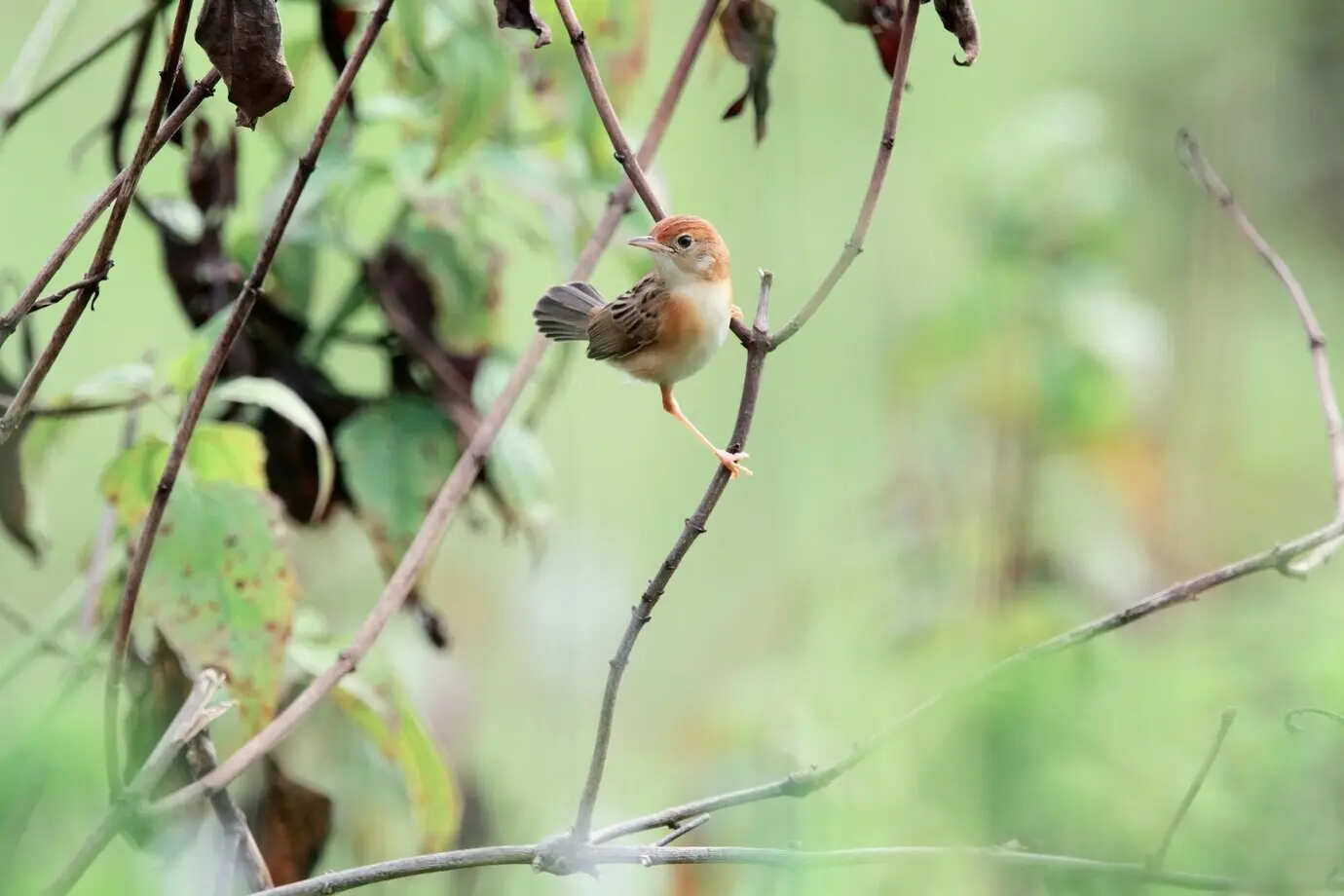
Mapping Safe, Quiet Segments
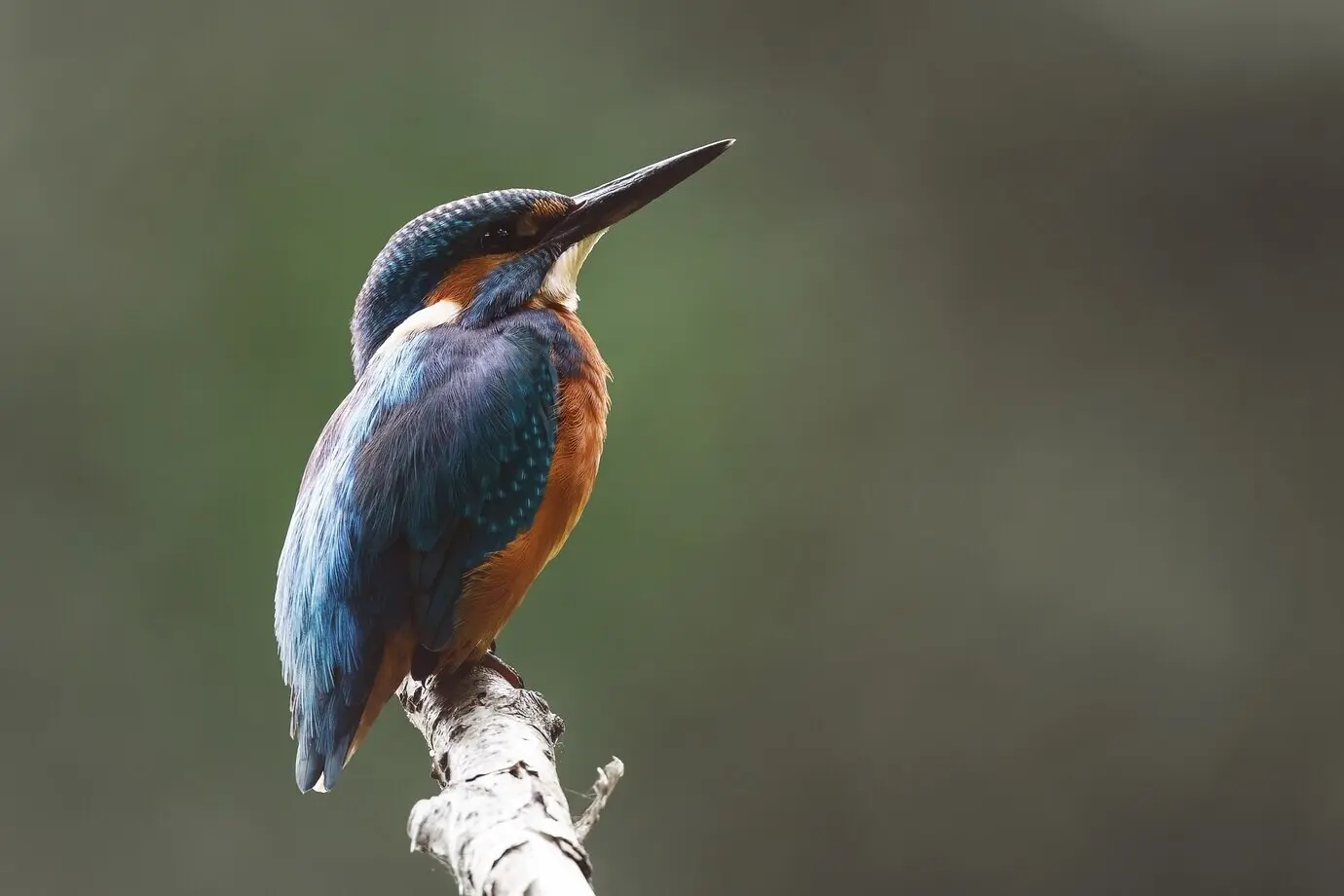
Timing Around Schedules
Species You’re Likely to Meet
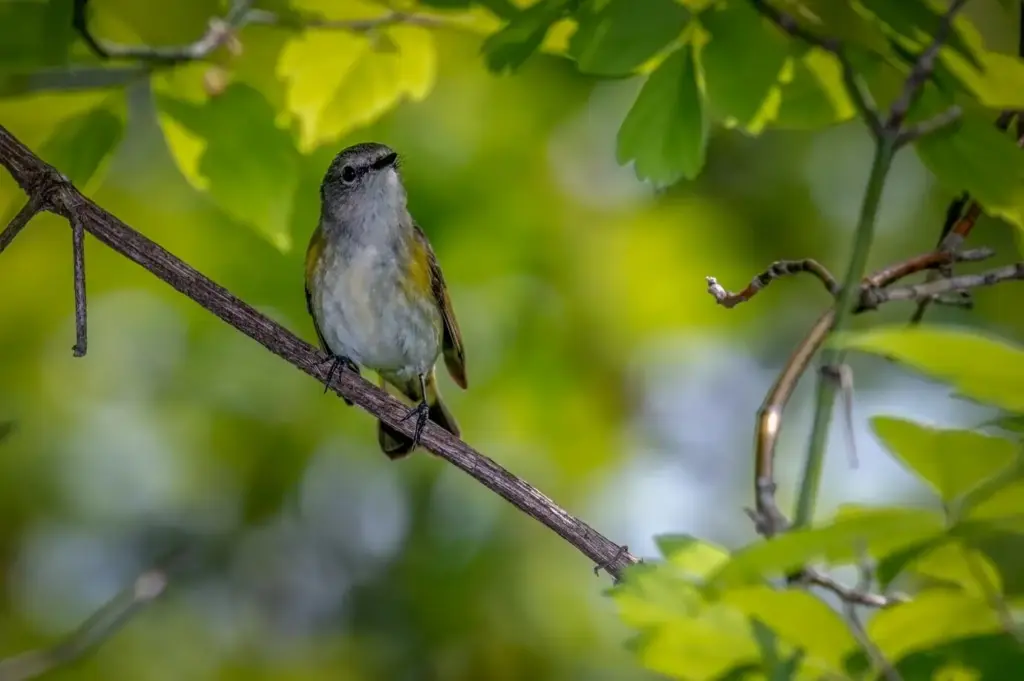
Everyday City Companions
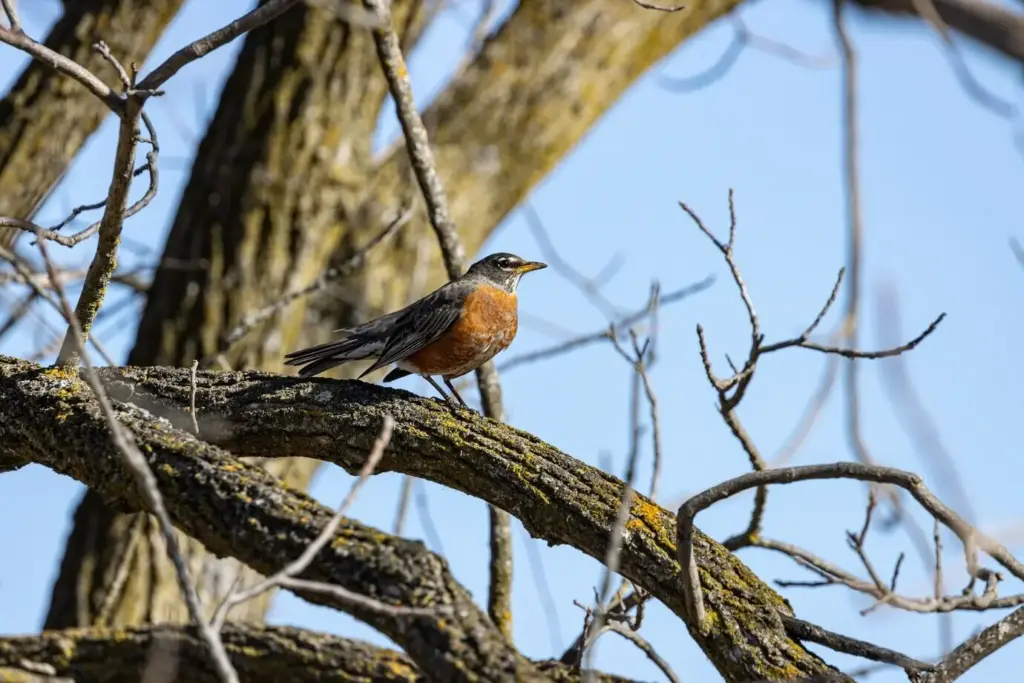
Surprises on Steel and Concrete
Fieldcraft Near Platforms
Etiquette and Safety
Stand behind safety lines, keep tripods collapsed where space narrows, and never step into restricted areas or onto tracks. Avoid blocking doors, stairs, or tactile paving. Ask before photographing anyone, and be considerate of operators. Loud calls or playback can disrupt both birds and people; leave them out. A reflective strap and compact binoculars help you stay noticed yet unobtrusive. If questioned, be friendly, explain you’re watching wildlife from public space, and show your notebook. Courtesy unlocks invitations, tips, and sometimes rooftop views that reveal entire neighborhoods turning into aerial highways at dusk.
Listening Through Noise
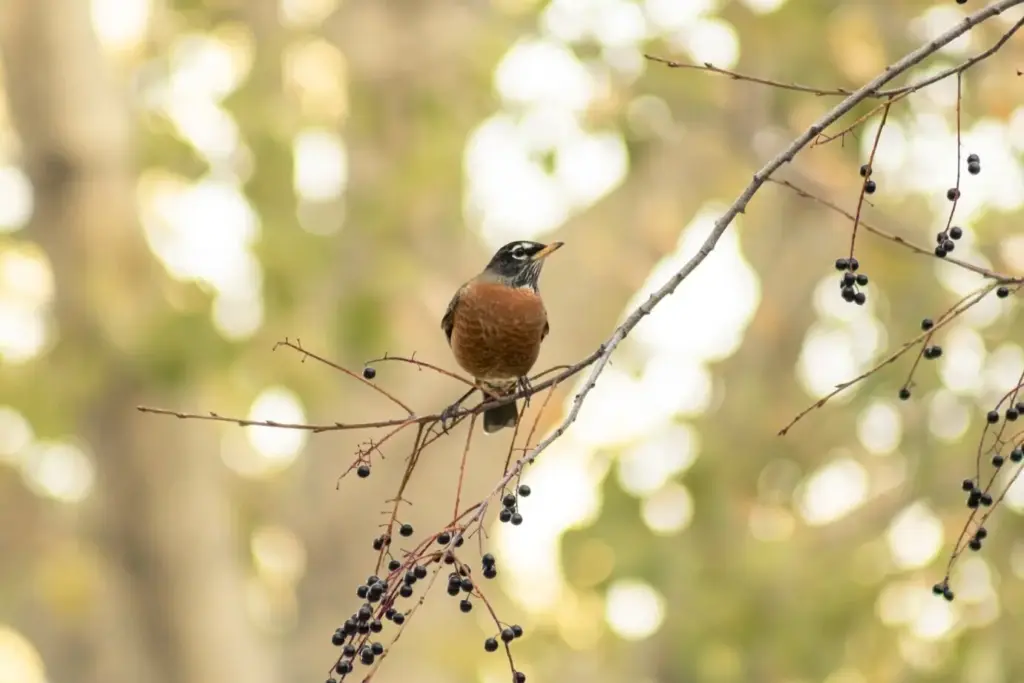
Trains mask frequencies, but brief lulls reveal thin tseeps and liquid phrases. Position yourself where walls or vegetation dampen echoes, and note the quiet seconds after departures. Cup one ear toward hedges, hold still, and let your breathing slow until individual notes surface. Practice distinguishing robin phrases from black redstart checks, or House Sparrow chirps from starling whistles. A small recorder, or even a phone, captures snatches you can review later. In time, familiar rhythms emerge, and the station’s clamor becomes a moving curtain that occasionally parts to show what truly matters.
Photography Without Disruption
Use silent shutter modes, keep flash off, and anticipate behavior to minimize movement. Stabilize against railings or pillars instead of spreading tripods into crowds. Compose with lines—catenary arcs, platform stripes, and repeating windows—to highlight delicate forms without pushing closer. Respect nests and roosts; step away if a bird alters its posture or calls anxiously. Early or overcast light suits subtle plumage, while golden hour sculpts silhouettes beautifully. Share images with context, including location type and observation care, to inspire stewardship rather than only spectacle, encouraging others to watch responsibly from accessible, welcoming spaces.
Science and Community
Stories from the Lines
The Peregrine at Sunset
A warm evening pooled gold across the viaduct when a blur threaded between towers, shadow and light reshaping into a peregrine. It paced a departing train for breathless seconds, then rose, drifted, and stooped beyond the far gantry. Commuters never paused; one child did, pointing with a half-melted ice cream as the falcon vanished. We wrote a single line—“she was faster than our thoughts”—and circled the hour for future visits. Moments like this reward unassuming presence, a willingness to be small, and the patience to stand where wind combs the city’s edges.
A Winter Wren in the Tunnel Garden
On a gray morning, a planter by the tunnel mouth quivered. Out popped a winter wren, stitching the air with a song far larger than its body. It hopped among fern tufts and damp mulch, tugging threads from a forgotten flyer to line a hidden nook. Trains boomed; the wren waited, then resumed, untroubled in its green pocket. We learned to pause there on cold days, to check drip lines for insects and moss; a tiny singer taught us that shelter, not spectacle, often defines the richest encounters beside the rails.
Children Counting Swallows
A weekend group gathered on a pedestrian bridge as clouds softened the light. Two children began tallying swallows on the catenary, laughing when the line shook into sudden commas. They linked movement to insects rising from warm ballast and guessed why numbers swelled before rain. Their notes, earnest and messy, became a shared graph. That afternoon, families subscribed to our updates and promised to return with friends. The children’s wonder changed our pace: we counted slower, looked longer, and remembered that every checklist hums louder when curiosity leads and community answers warmly.
All Rights Reserved.