Pedals, Platforms, and Hidden Marshes

Join us as we explore bike-and-transit strategies for reaching remote wetlands without a car, blending clean mobility with fragile habitat access. We’ll share practical routing tactics, packing lists, safety wisdom, and heartfelt field notes, then invite your experiences, route tweaks, and photos. Subscribe, comment, and help grow a respectful, low-impact way of discovering reed beds, tidal flats, and quiet boardwalks.

Mapping the Journey from Dock to Boardwalk
Good route planning stitches together rail platforms, bus stops, bikeways, and the faint lines leading to marsh edges. Combine transit timetables with cycling maps, tide charts, seasonal closures, and sunrise times. Download GTFS-informed apps, skim agency rider alerts, and trace last-mile access in satellite imagery. Share your favorite mapping tools in the comments, and compare notes about buffer times between transfers and trailhead gates.

Packing for Mud, Mist, and Delicate Ground

Everything you bring should survive spray, mud, and salt yet tread lightly on fragile soil. Favor wide fenders, sealed bearings, and quiet drivetrains. Keep loads small for station stairs. Choose walkable shoes for boardwalk etiquette. Protect optics, snacks, and notebooks in dry bags, and leave space for litter you collect en route.

Tires, Pressure, and Traction in Soft Shoulders

Select supple, puncture-resistant tires that roll fast on pavement yet grip gravel and damp approaches. Run slightly lower pressures for stability, but avoid rutting sensitive edges by dismounting where surfaces narrow. After salty spray, rinse rims and chains promptly, then relube to prevent squeaks that disturb birds and betray quiet observation.

Carry Systems That Board Quickly

Panniers with quick hooks speed transit loading, while a small backpack keeps valuables close in crowded stations. Use waterproof liners, internal stuff sacks, and color coding for camera, layers, and tools. Balance weight evenly, and ensure nothing snags on bus racks, elevator rails, or narrow turnstiles during tight connections.

Clothing for Clouds, Insects, and Reflective Nights

Layer a breathable rain shell over moisture-wicking fabric, then add a lightweight insulated piece for still predawn rides. Sun gloves and a brimmed cap fit under helmets. Pack a bug net, eco-safe repellent, and ankle reflectors. Bright, steady lights respect wildlife better than strobes while still keeping you visible.
Riding Responsibly Where Water Breathes

Sensitive habitats demand patient choices. Stay on hardened surfaces or boardwalks, yield to walkers, and dismount when paths squeeze into narrow planks. Avoid nesting zones and respect seasonal closures. Keep voices low, bikes clean of seeds, and snacks secured. Your considerate behavior invites more access and strengthens partnerships with land stewards and agencies.

Field Notes from Quiet Reaches

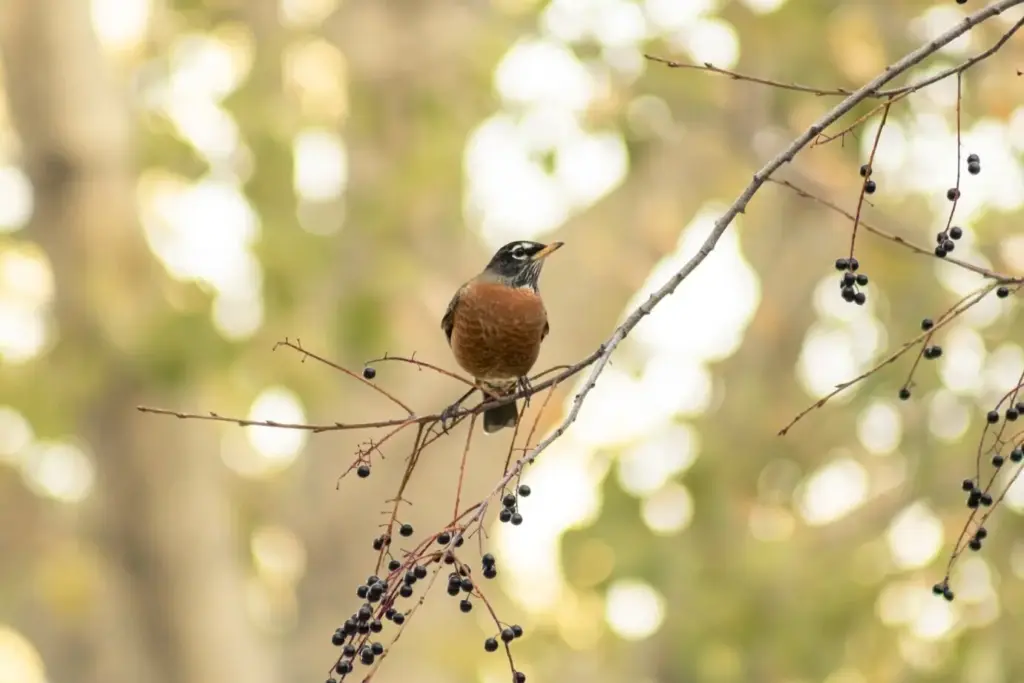
Stories teach better than checklists. One dawn ride reached a reedbed only accessible by a village bus and a gravel levee; a green heron landed two meters away. Another day, a ferry bike lane led to a boardwalk above glittering shrimp. Share your own journeys so others learn and improve.

A Predawn Connection and a Patient Heron

The last bus of the night stopped short, so I pedaled the final miles under stars. Fog lifted as rails clicked beneath tires. On the boardwalk, I waited silent. A heron ignored me, hunting minnows. Lesson: arrive early, move slowly, and trust stillness to reveal the secret life around you.

Polder Platforms and Seamless Rolling

In the Low Countries, regional trains marked with bike symbols opened entire networks of dikes and polders. Elevators worked, platforms aligned, and ticket inspectors offered tips about quieter stops. The lesson carries home: clarity, signage, and empathy transform multimodal plans into welcoming gateways for careful riders visiting sensitive waters.

Bayou Crossings by Ferry and Patience

Heat shimmered across the bayou while the small ferry shuttled pickups and two bicycles. Afternoon storms brewed, yet a ranger’s radio confirmed a clear hour. We crossed, sheltered, then rolled along cordgrass to dragonflies and quiet. Patience with weather, staff, and clocks often gifts the exact window a wetland allows.

Chasing Light, Tides, and Migration

Wild places move on their own schedules. Align departures with migration surges, low-tide mudflats, and sunrise chorus. In summer, plan siestas around heat and thunderheads; in winter, watch for ice on shaded ramps. Pack spare socks, warming layers, and patience. Share sightings and timing tips so everyone rides smarter and softer.

Winter Windows and Crisp Horizons

Short days reward early starts and decisive connections. Cold air sharpens sound, carrying wingbeats across open reeds. Buses may run less frequently; trains can be wonderfully empty. Keep batteries warm, drink water despite the chill, and cherish the luminous hour when clouds glow above silver cattails and frost-kissed planks.

Spring Passages and Early Buses

Peak migration compresses wonder into narrow mornings. Aim for first departures, bring a friend to share sightings, and organize small groups that split efficiently at racks and doors. Expect muddy shoulders; pack gaiters. Celebrate patience with a thermos and journal while swallows stitch the air above a widening, waking marsh.

Conversations that Change Schedules

Agency planners often welcome constructive specifics. Share counts of fellow riders, photos of full racks, and precise stop names where access fails. Propose pilots during migration festivals. Offer to help test signage. Public comments that include data, empathy, and gratitude travel farther than complaints, opening doors for improved service and funding.

Clubs, Surveys, and Citizen Science

Small communities make big changes. Organize rides that collect surface conditions, accessibility notes, and wildlife counts for eBird or iNaturalist. Share anonymized transit experiences in a brief survey, then publish maps highlighting safe approaches. Recognize volunteers publicly, and invite transit staff along; firsthand rides build lasting understanding and practical, incremental improvements.
Kokupufuloriretita
Privacy Overview

This website uses cookies so that we can provide you with the best user experience possible. Cookie information is stored in your browser and performs functions such as recognising you when you return to our website and helping our team to understand which sections of the website you find most interesting and useful.